
Painting service
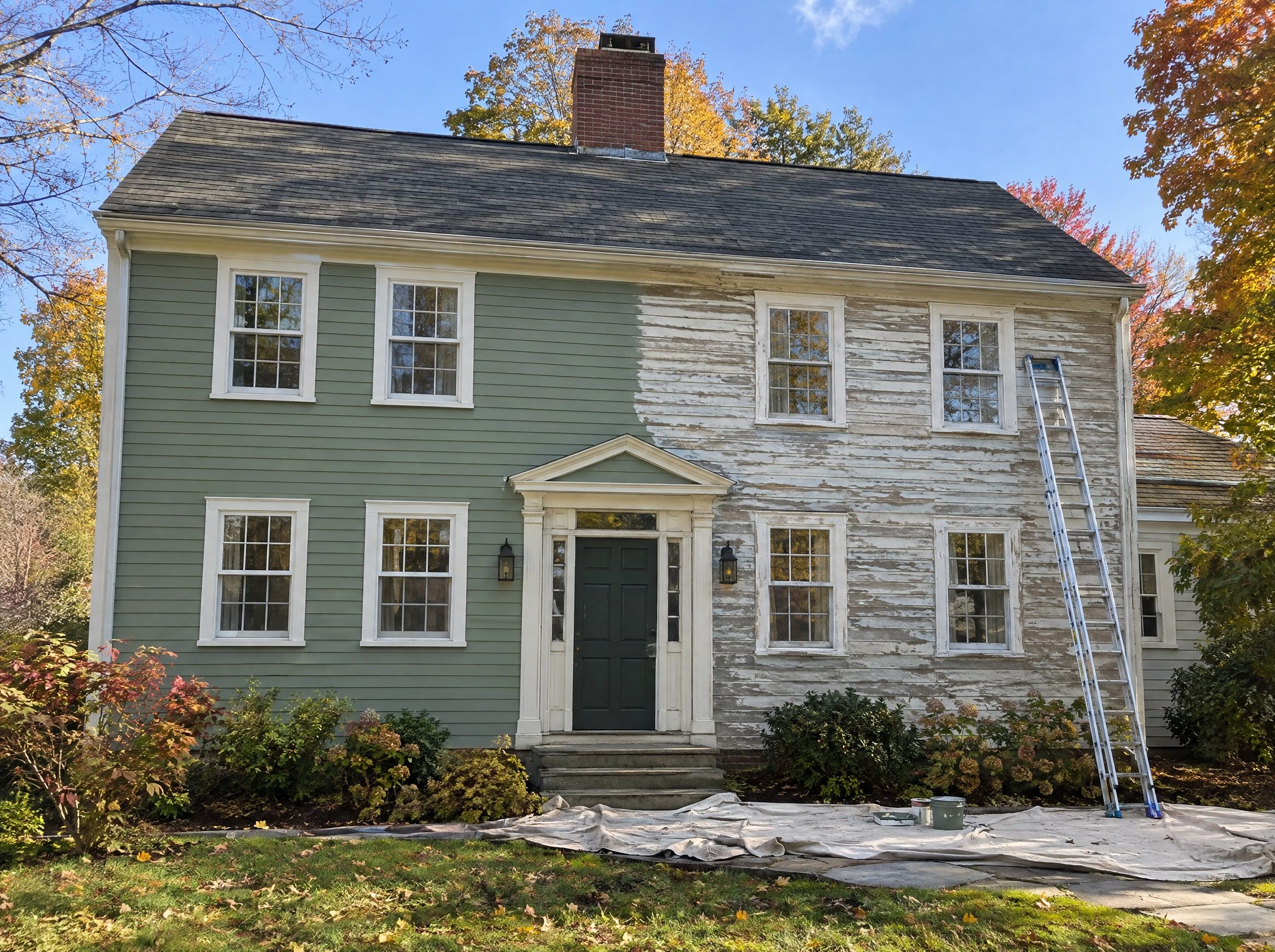
Exterior Painting in Maynard, MA
Siding, trim, doors and shutters prepped to handle New England winters.
Exterior Painting
Exterior painting built for New England weather
Massachusetts houses go through freeze-thaw cycles, wet springs and strong summer sun. An exterior paint job only lasts when the surface underneath is sound, so most of our time goes into preparation.
We scrape and sand failing paint, replace or repair rotted trim when needed, caulk joints, spot-prime bare wood and then apply finish coats rated for the climate. Colonials, capes, Victorians and ranches all get the same careful process.
An exterior repaint begins with a practical question: what is making the current coating fail? A sunny wall with faded color needs a different response from shaded clapboards with peeling edges or a window sill that stays wet. Looking at those differences before choosing paint helps you spend money on work that will support the next finish.
Around Maynard and nearby MetroWest towns, a single house can have wood siding, metal gutters, replacement vinyl panels and several generations of trim repairs. Each material needs its own preparation and coating decisions. A useful proposal identifies those surfaces individually rather than treating the entire building as one large area to spray.
Based in Maynard, Massachusetts, Pro House Painters & Home Improvement serves surrounding towns about 15 miles away and has been in business since 2016. A free written estimate addresses preparation, repairs, colors and weather-dependent scheduling. Check the service area when planning work outside town.
Understanding old paint, wood repairs and application conditions helps you compare estimates. Coatings protect sound siding; roof leaks, decayed framing and water entering behind a wall need their own repairs before painting begins.
What’s included
- Clapboard, shingle and vinyl siding
- Trim, soffits, fascia and window sashes
- Front doors, shutters and porches
- Scraping, sanding and spot priming
- Minor rot and trim repair
- Lead-safe work practices on older homes
Prep first
Loose paint removed and bare wood primed before any color goes on.
Weather-ready coatings
Premium exterior paints chosen for freeze-thaw cycles.
Curb appeal
Color guidance that fits the style and age of the house.
Pricing
How much does exterior painting cost?
Use the price table below for planning, then compare the included work. Pricing reflects siding area and conditions, which differ from interior floor area.
| Service | Price | Typical projects |
|---|---|---|
| Exterior Painting | $1.50–$4 per sq ft of siding |
|
Typical ranges, not quotes. Every home is different, so your free written estimate gives the exact price.
Amount of failing paint
Broad sheets of peeling paint require more removal than a few isolated edges. The labor also changes when sound older layers can remain versus areas that need substantial feathering before a reasonably even finish is possible.
Siding profile and condition
Narrow clapboards, irregular shingles and intricate trim create many edges that take time to prepare and coat. Soft wood, split boards and open joints add repair work that should be described separately from ordinary painting.
Height and working access
Upper gables above a sloping driveway may need a different access plan from a single-story wall over level ground. Porches, nearby plantings and limited side yards can also affect how equipment reaches the work safely.
Older paint and containment
Paint disturbance on a pre-1978 house may bring lead-safe renovation requirements into the scope. Appropriate containment, work methods and cleanup must be planned before sanding or scraping begins, rather than treated as an optional finishing detail.
Color change and coating system
A substantial change in color may need additional coverage work, especially around trim details. The primer, finish product and number of coats should be specified for the substrate so that two estimates can be compared fairly.
Separate surfaces and repairs
A front door, detached garage, shutters or porch floor can change the total even when the siding area stays the same. Ask which items are included and how concealed damage discovered during preparation will be priced and approved.
Professional Judgment
Why exterior painting takes more than a steady brush
The biggest DIY risk often arrives before the paint can is opened. A homeowner may remove loose material without protecting soil, overreach from a ladder or wash water behind the siding while trying to clean it. Professional planning addresses access, containment and the condition of the wall before deciding how quickly it can be painted.
Another frequent mistake is covering symptoms without identifying their cause. Blisters near a bathroom exhaust, repeated peeling below a gutter and darkened trim at a roof intersection deserve investigation. If water is still entering the assembly, even an expensive finish can lose adhesion. Repair responsibilities should be settled before the affected area is coated.
Older homes require particular care around paint disturbance. The EPA renovation, repair and painting program explains the federal framework for paid work affecting painted surfaces in pre-1978 housing. Massachusetts administers its own authorized requirements; ask a prospective contractor to document the qualifications and practices required for your scope rather than assuming ordinary insurance answers that question.
Hiring help also makes sense when the job spans several different substrates or difficult elevations. The goal is a consistent result with repairs and product choices resolved before application. A small, accessible door or trim project may fit Painter for a Day, while a house with widespread failure needs a broader written scope and enough time for drying between stages.
Mistakes to prevent before work starts
- Using an aggressive wash setting that damages wood fibers or forces water into joints
- Painting over chalk, mildew residue or damp siding because the surface looks clean
- Scraping older coatings without first addressing applicable lead-safe requirements
- Expecting finish paint to stabilize crumbling trim or fill moving joints
- Choosing a dark siding color without checking substrate and manufacturer restrictions
Surface Preparation
Build a sound base before applying the finish
Preparation starts with inspection and a cleaning method suited to the surface. Dirt, chalk and biological growth interfere with adhesion, but washing should not be so forceful that it cuts grooves into wood. After rinsing, the siding needs enough drying time for the coating system, including sheltered areas that dry more slowly than a sunny front wall.
Scraping removes paint that has lost its grip; sanding then softens the transitions around remaining sound layers. Those steps do not automatically produce a furniture-smooth surface on old siding. Discuss the expected appearance at the estimate, especially where generations of firmly attached paint leave visible texture. Complete stripping is a different scope from normal repaint preparation.
Rot repair comes before primer. Small isolated defects may have a suitable repair method, while deteriorated board ends or a soft sill may need replacement. The underlying water source matters as much as the visible patch. If deterioration extends beyond the agreed repair allowance, stop and establish the additional scope before burying the issue under filler and paint.
Caulk belongs in appropriate joints, not every opening on the wall. Drainage paths and intentional ventilation spaces need to remain functional. Bare wood and other exposed substrates receive a compatible primer where required, with particular attention to stains and repairs. The Massachusetts homeowner lead-safe renovation guide is a useful reference when this preparation will disturb older coatings.
Preparation details the estimate should explain
- Cleaning method and how nearby landscaping and windows will be protected
- Removal of unsound paint and the level of sanding included
- Locations of known wood repairs and approval for additional discoveries
- Joints to be sealed while preserving drainage and ventilation openings
- Primer selection for bare areas, staining and repaired substrates
Material Choices
Match the coating to clapboard, cedar, aluminum or vinyl
Wood clapboard expands and contracts with changes in moisture, so a finish needs a stable, dry base and compatible preparation. Cedar shingles add another concern: natural extractives can discolor an unsuitable coating. Where staining or exposed cedar calls for a stain-blocking primer, the selected system should address that condition before the finish coats are applied.
Aluminum siding often develops a chalky surface as its old coating weathers. That residue needs removal rather than being locked beneath new color. Bare metal or other problem areas may require a suitable primer, but blanket priming is not a substitute for cleaning. Corrosion, loose panels and damaged attachments should be evaluated separately from the paint work.
Vinyl deserves a color decision based on more than a swatch. Extra heat absorption can distort siding when an unsuitable darker color is used. Sherwin-Williams guidance for painting vinyl siding discusses VinylSafe colors and checking the siding warranty. Use an approved paint-and-color combination and follow the siding manufacturer’s restrictions, including any limits on repainting.
Sherwin-Williams and Benjamin Moore both offer exterior products, but the brand name alone does not define the job. Ask for the actual product line, sheen and primer to be listed. Review samples outside on more than one elevation: nearby trees, roof shingles and reflected light can make a color appear different from its appearance on a small card indoors.
Decisions to settle before ordering paint
- Whether each siding material is sound enough for coating rather than replacement
- Which primer addresses exposed wood, cedar staining or bare metal
- The approved color formulation and siding warranty implications for vinyl
- How sheen will look on uneven siding and frequently handled doors
- Sample placement where both direct sun and shade can be evaluated
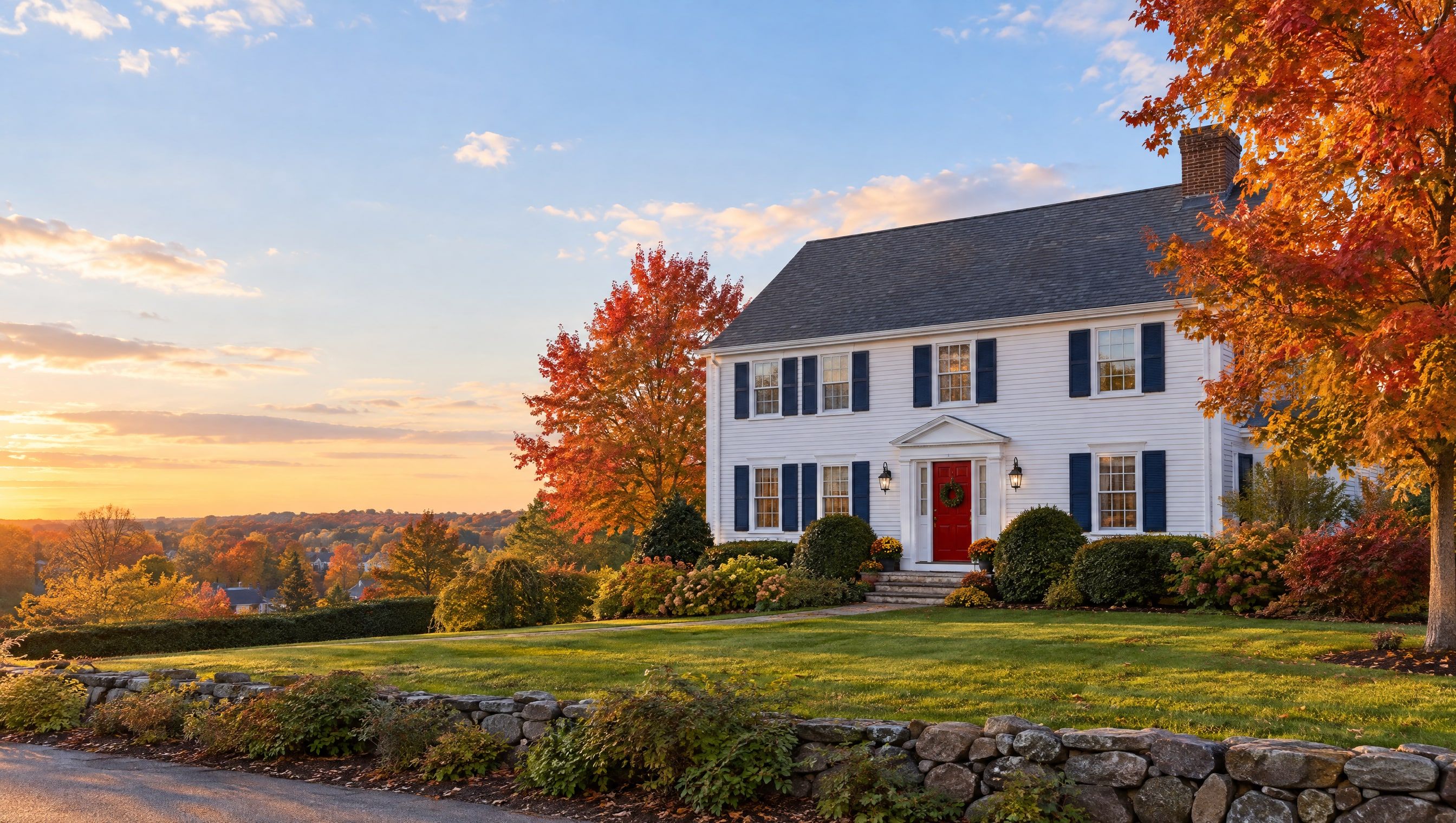
Weather Windows
Plan around surface temperature, drying and future upkeep
Late spring, summer and early fall usually offer the most workable exterior windows in this part of Massachusetts, but dates alone do not establish suitable conditions. Rain, lingering morning dew and a shaded wall can delay work during otherwise pleasant weather. Conversely, strong direct sun can make a surface too hot even when the air feels comfortable.
There is no universal minimum temperature for every exterior coating. Some products permit lower-temperature application than others, and both air and surface temperatures must meet the selected product’s instructions through its required drying period. A warm afternoon followed by a cold, damp night can be a poor window. Check the forecast against the technical data rather than relying on a single 50-degree rule.
Recoat time is also different from full cure or rain readiness. Cooler weather and high humidity can lengthen drying, while rushed recoating can interfere with the finish. A schedule should allow adjustment by elevation and product, with communication about weather pauses. Ask how the work will be secured if a forecast changes after washing or scraping has begun.
After completion, inspect the house each spring and after significant storm damage. Keep gutters working, cut back vegetation that holds moisture against the siding and address opened joints before water reaches exposed wood. There is no honest repaint interval that applies equally to every wall; sun exposure, moisture, existing layers and maintenance determine when local touch-ups or a larger repaint becomes sensible.
Simple checks that support a longer service life
- Look for peeling near roof edges, downspouts and window sills
- Keep sprinklers from repeatedly soaking the siding and lower trim
- Remove dirt using a method compatible with the cured coating
- Repair leaks before requesting another coat on the affected wall
- Save product names, color formulas and completion records for future matching

Hiring Questions
Compare the written scope and understand the protection
A detailed estimate helps you understand whether contractors are proposing comparable work. One bid may include extensive scraping and trim repairs while another assumes only a wash and finish coat. Ask how the surfaces will be assessed, which preparation is included and what happens when hidden damage changes the original plan. A lower total cannot answer those questions by itself.
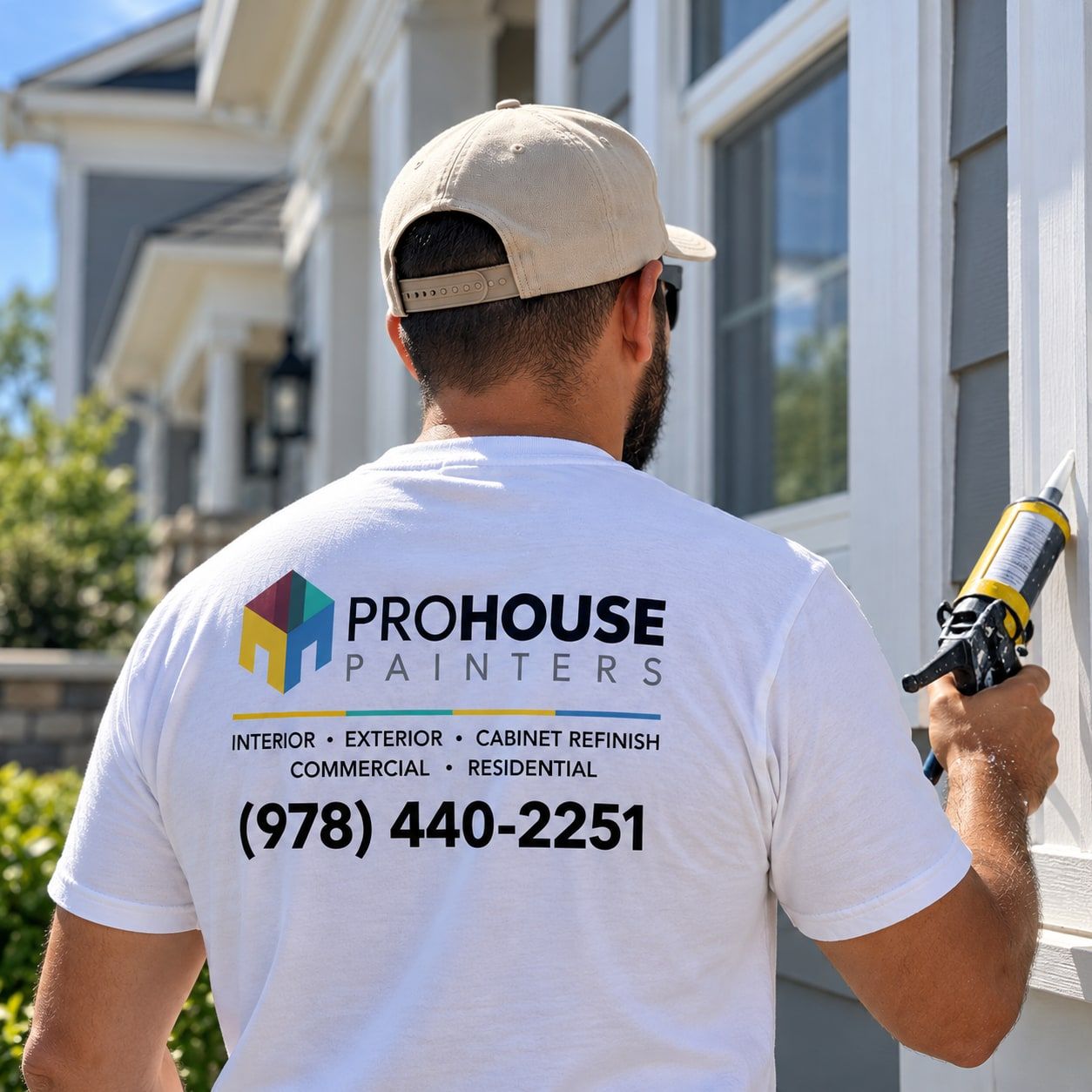
Discuss practical arrangements as well: access to outdoor water, parking for equipment, protection for plants and how entry doors remain usable. Confirm who communicates schedule changes and how color approval is recorded. Agreeing on those details before mobilization makes it easier to recognize a completed scope and avoids decisions being made hurriedly at the end.
For a Pro House Painters estimate, a certificate can document the liability and workers’ compensation insurance applicable to the job. Painting has a workmanship warranty lasting two years, with limited coverage for peeling, blistering and chipping caused by workmanship on eligible vertical painted surfaces. Horizontal surfaces, including decks, railings, stairs and porch floors, are excluded; read the written terms for the complete conditions.
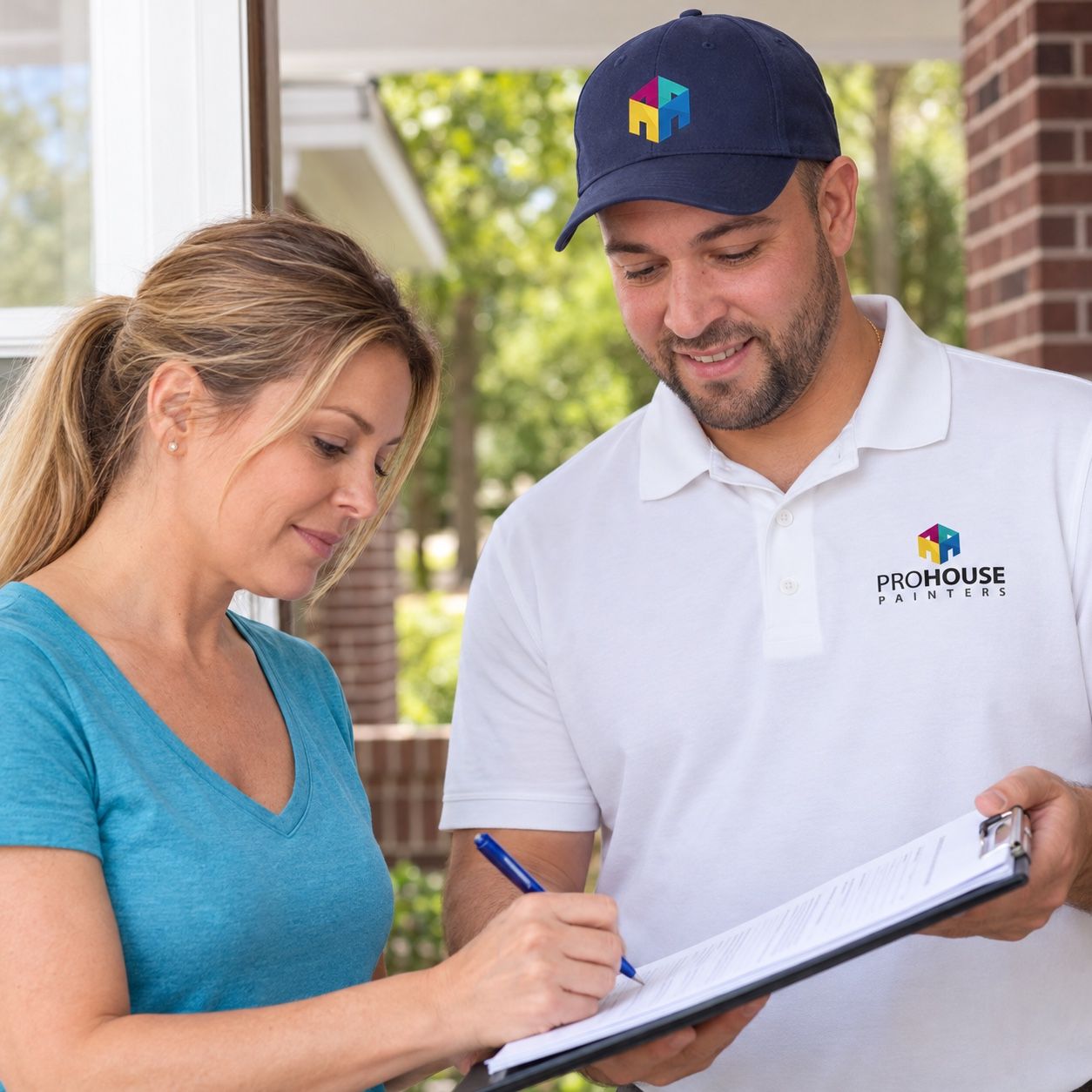
Bring photos of recurring failure and a list of surfaces you want included when arranging the walkthrough. Call (978) 440-2251 or use the estimate request page for a written proposal. If you are budgeting for a qualifying residential exterior project, review the current coupon details before accepting an estimate so that any applicable offer is discussed in advance.
Questions worth asking each exterior painter
- What evidence of moisture damage needs attention before painting?
- Which exact products, coats and preparation steps does this price include?
- How will you address lead-safe obligations if old paint is disturbed?
- What changes require my written approval before extra work proceeds?
- Which surfaces qualify for the written warranty, and which are excluded?
Google reviews
What our customers say
“I hired Pro House Painters to paint our aluminum siding colonial home. They worked very hard to prep the house (power wash) and then paint the house, trim and shutters. They did a truly wonderful job. They were neat, were super careful with all of my plants and flowers (I have a lot) and the crew was super nice! The house looks tremendous! …”
“Rodrigo and his crew were a pleasure to deal with - very courteous, neat, friendly, and professional. They painted six rooms, two of which needed skim coating, a stairwell, and three ceilings, two of which needed repair, all for the price of $7429. Very highly recommended.”
“I am 83 years old and have hired many painters through the years. Pro House Painters rank Number 1 in my book! They recently painted my large deck and bannisters, my shed, and all the trim on my house. … Rodrigo responds immediately to texts and the crew shows up on time, as promised, and works diligently all day.”
How it works
Four steps, no surprises
The same careful process on every job, from a single room to a full exterior.
- 1
Free estimate
We walk the project with you, talk colors and send a clear written quote.
- 2
Prep & protect
Furniture, floors and landscaping covered. Surfaces cleaned, patched and sanded.
- 3
Expert application
Premium materials applied by an experienced crew, on schedule.
- 4
Final walkthrough
We inspect every room with you and touch up anything before we call it done.

Good to know
Peace of mind, savings and small jobs
FAQ
Exterior Painting questions
Still have a question? Call or text us anytime.
How much does it cost to paint a house exterior in Massachusetts?
The published siding rate is $1.50–$4 per sq ft of siding. The table above also separates typical house categories so you can plan around the appropriate range. A measured estimate accounts for access, repairs, old coating failure and the surfaces included; multiplying that rate by interior floor area will not give a reliable quote.
What is the best month to paint a house in Massachusetts?
There is no single month that works for every house and product. The warmer part of the year generally provides more opportunities, but a dry wall and suitable overnight conditions matter more than the calendar. Plan the estimate early enough to discuss weather flexibility and any repairs that should happen first.
When is it too cold to paint outside?
It is too cold when either the siding or surrounding air falls outside the chosen coating’s application and drying limits. Some exterior products allow cooler conditions, but those allowances are product-specific. Dew, frost risk and the overnight forecast can rule out an afternoon that initially seems warm enough.
Can I paint over peeling exterior paint?
Loose layers need removal before a new coating can bond to the wall beneath them. Remaining edges may need sanding, with primer on exposed areas as the system requires. Painting directly across lifting flakes usually leaves the original failure in place and makes the next repair larger.
What happens if my house was built before 1978?
The age triggers a discussion about possible lead-based coatings and applicable renovation rules before disturbance begins. Massachusetts lead-safe requirements and the federal RRP framework govern covered work. Ask for the required documentation and containment plan; routine repaint preparation should not be confused with a formal deleading project.
Can rotted trim be fixed before the house is painted?
Isolated damaged trim or clapboard can be evaluated for repair or replacement as part of the proposal. Extensive decay needs a broader assessment, particularly if water has reached framing behind the visible board. Agree on the repair allowance and how newly exposed deterioration will be handled.
Can vinyl and aluminum siding both be painted?
Both can be candidates when their condition and manufacturer instructions allow it. Aluminum needs chalk removal and appropriate treatment of exposed metal; vinyl needs compatible paint and an approved color choice that accounts for heat. Loose, distorted or failing panels need attention before a cosmetic finish is considered.
How many coats does exterior siding need?
Coverage, substrate and the chosen coating system determine the specification. Primer is a separate preparation layer where needed, and a second finish coat cannot compensate for dirty or unstable siding. Have the estimate spell out the finish-coat plan and any conditions that could require additional coverage.
How long will painting the outside of my house take?
The useful schedule separates working time from drying and weather pauses. Extensive removal, wood repairs and difficult access can take longer than applying the final color. Request an expected sequence for your actual house and a communication plan for rain delays rather than relying on a universal completion promise.
Does exterior painting come with a warranty and insurance?
Pro House Painters can include an insurance certificate with your estimate, documenting workers’ compensation and liability coverage. The limited two-year painting workmanship terms address specified workmanship failures on eligible vertical surfaces. Decking, railings, stairs and porch floors do not receive that coverage, so discuss any mixed painting project surface by surface.
Should I pressure wash my house before the painter arrives?
Coordinate cleaning with the painting scope first. An unsuitable nozzle, excessive pressure or water directed upward into laps can create damage and extend drying time. If you have already washed the house, tell the estimator when it was done and which cleaner was used so remaining preparation can be assessed.
Service areas
Exterior Painting near Maynard
We work in 43 towns within 15 miles. These are the closest.
Google reviews
More services
You might also need

Ready to start your exterior painting project?
Free written estimates for homeowners within 15 miles of Maynard.